
 ATSUM KSA
Seller catalog workflow
Approved sellers choose available products and place customer orders without buying inventory upfront.
Saudi ecommerce operations
Saudi ecommerce logistics connects product availability, inventory, fulfillment, and delivery. ATSUM KSA provides two operating paths: approved sellers work from available catalog products, while approved merchants send their own inventory for storage, listing, and fulfillment.
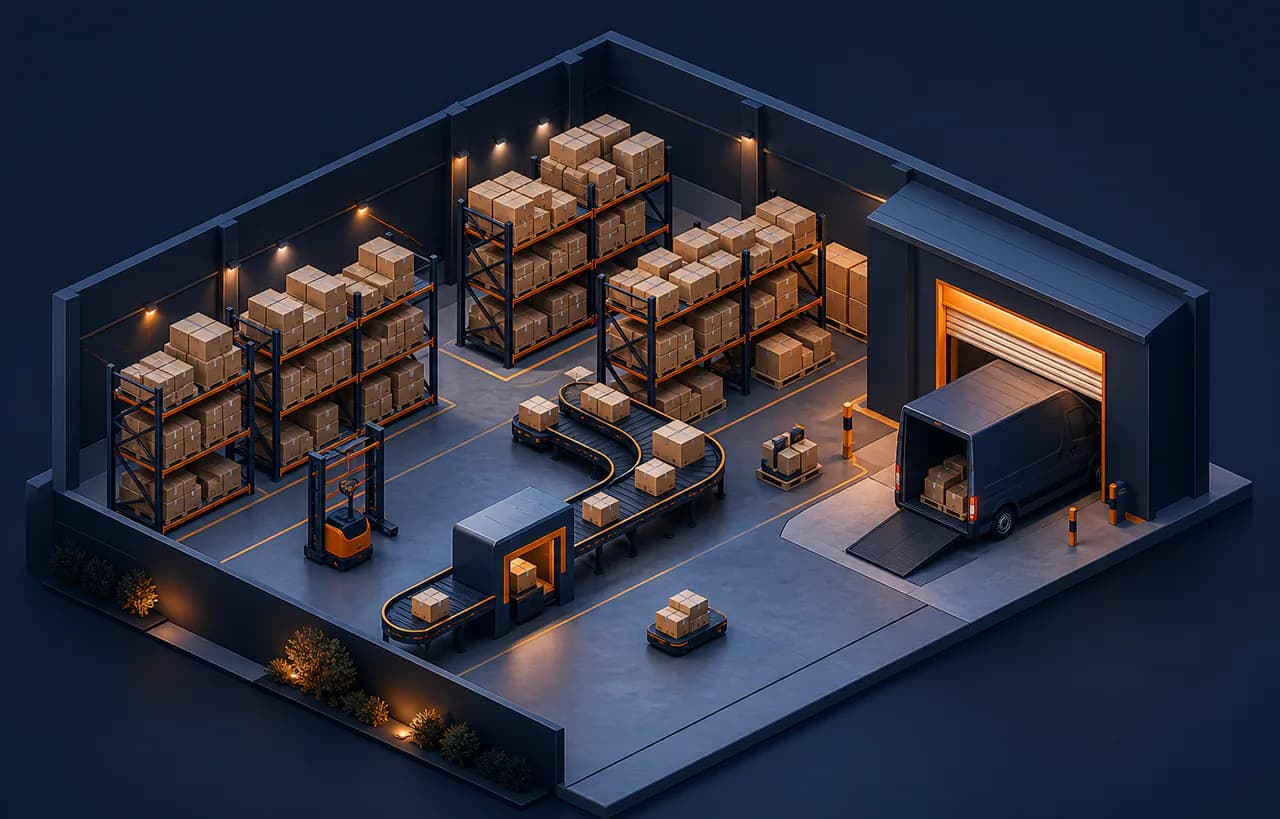
ATSUM supports seller and merchant logistics inside Saudi Arabia. Sellers place customer orders from available catalog products without buying inventory upfront; merchants retain ownership of their stock while ATSUM stores it, lists it, and fulfills orders against it for Saudi delivery.
Saudi ecommerce logistics flow
This four-step guide shows the operational sequence shared by ATSUM's seller and merchant fulfillment models.
Sellers work from available catalog products; merchants send their own inventory to ATSUM.
ATSUM works from catalog availability or listed merchant-owned inventory for the relevant order.
ATSUM picks, packs, and prepares the order for dispatch.
The fulfilled order is dispatched for delivery, with applicable timing shown on the product page.
ATSUM brings the operational stages of catalog access, merchant stock, fulfillment, and delivery into connected partnership workflows.
Approved sellers choose available products and place customer orders without buying inventory upfront.
Approved merchants retain ownership while ATSUM stores, lists, and fulfills orders against their stock.
Fulfilled orders are dispatched for delivery inside the Kingdom.
This resource explains Saudi ecommerce logistics using ATSUM KSA’s published service workflows, operating references, and policy pages. It is educational guidance and does not replace confirmed commercial terms.
Review the content methodology, shipping policy, and ATSUM FAQ for the current first-party operating terms.
Sellers work from available ATSUM catalog products without buying inventory upfront. Merchants send their own inventory to ATSUM for storage, listing, and fulfillment.
Yes. ATSUM uses cash on delivery for approved seller orders and collects payment when the order is delivered.
Merchants use a ticket to add products, update product details, or arrange further stock, and ATSUM manages the catalog listing against held inventory.
See the shipping policy and ATSUM FAQ for related operating terms.
Apply as a seller or merchant to use ATSUM's connected catalog, inventory, fulfillment, and delivery workflows.